

Home Detox From Alcohol
Home detox from alcohol is a viable alternative to inpatient treatment at rehab facilities. This is an excellent option for those who are not able to leave their jobs due to inescapable commitments.
To increase the chances of success, try to avoid having any access to alcohol in your home. This means throwing out all alcohol-based drinks and asking family and friends to monitor your progress.
Tapering
Many people find that the most effective method to stop drinking is to reduce consumption of alcohol gradually. The aim is to bring your body's chemistry back into equilibrium by gradually decreasing your alcohol intake over weeks or days. This can help prevent the sudden shock that could result in withdrawal symptoms. This allows your body to adjust, which makes it less painful and more manageable as opposed to stopping abruptly.
It's best to consult an experienced medical expert to determine the best alcohol tapering schedule. They'll be able to assess your situation and give an opinion on whether a the home detox option is suitable for you. They can also suggest an Alcoholics Anonymous support group to help you through this process.
If you're going to try tapering at home, it's a good idea to ensure that you have a support system in place. You'll need to have someone to call in the event of emergencies and you'll want to ensure that you ensure that you are safe and hydrated throughout the process. It's also recommended to limit your consumption of alcohol. Avoiding bars, liquor shops and other places where you may drink is a good idea. It's also an excellent idea to dispose of or conceal any alcohol you have in your home.
If you get rid of your collection and storing it away, you'll make it harder to search for the bottle. It is also possible to get rid of triggers that can cause you to drink, like music, movies or television shows. Avoid people and families who might influence you to drink. Instead surround yourself with people who are supportive of your goal of quitting drinking.
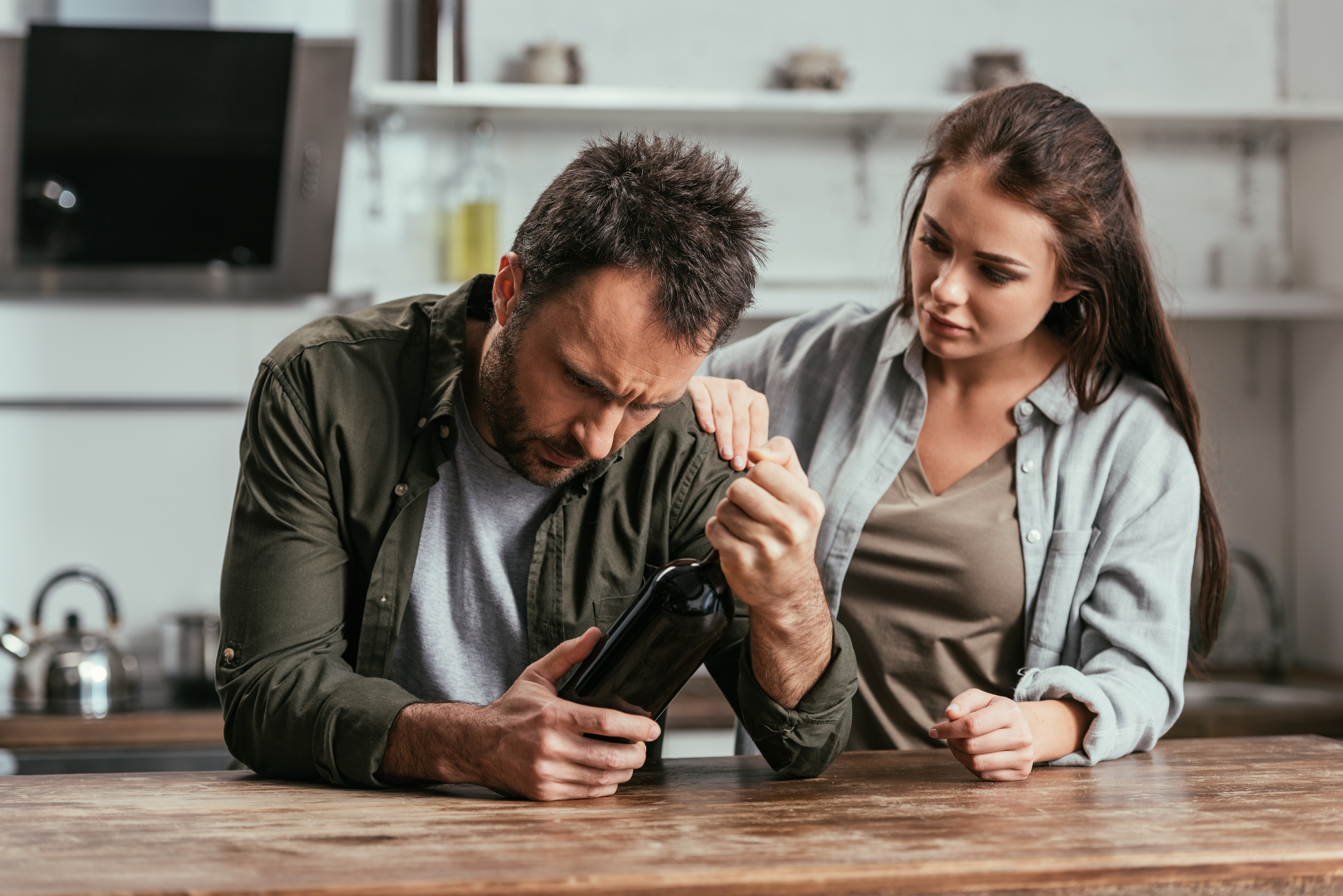
It isn't easy to come up with a plan for tapering off alcohol however it will help you quit more easily. symptoms alcohol detox lowers the likelihood of having to relapse as you work new habits and routines into your day, beginning with a gradual reduction in the amount of alcohol you consume. This can help you feel more accomplished, rather than starting out exhausted and drained after a week of struggling with withdrawal symptoms.
Keep Yourself Active
If you have been drinking a lot for a long time, stopping your alcohol intake may result in withdrawal symptoms. Some of these symptoms include tremors, seizures, hallucinations and hallucinations. You may need medical attention depending on the intensity of withdrawal symptoms.
To help you deal with alcohol home detox there are some options you can consider. One is to keep yourself busy by participating in activities you enjoy. However, it's important not to overburden yourself because doing so can increase stress levels and make you feel more inclined to drink. It is also advisable to find a sober friend or join a support group. They can provide a supportive environment in which you can talk about your thoughts and feelings without being or being judged.
Another way to prevent relapse is to clear your living space and remove all alcohol-related drinks from it. This can be a struggle for those who still drink, but it's vital for your recovery. You can substitute these drinks with healthier alternatives like lemonades, tea, and hot chocolate. It is also important to drink as much as you can by drinking plenty of water.
It is crucial to seek medical attention immediately when you begin to experience withdrawal symptoms. If alcohol is suddenly stopped seizures and delirium-tremens can occur. These could be fatal.
Symptoms of withdrawal usually begin within six to 12 hours after the last drink, and peak within 24 hours. They vary from mild to severe, and they may last up to two days. These symptoms include tremors and anxiety.
The length of your home detox is dependent on a variety of factors, including the severity of your withdrawal symptoms as well as how long you've been drinking. The withdrawal process is typically shorter for those who use alcohol moderately or extensively for a short period of time.
If you've used alcohol for a prolonged period your detox could be more complex and require more time. It is best to talk to a doctor for guidance, regardless of the length of your detox. This will ensure that you adhere to all the necessary precautions and be aware of any potential complications.
Taking Vitamins
Alcohol addiction can disrupt the body's normal functioning. This includes its capacity to absorb and store nutrients. A detox diet high in vitamins, minerals and protein can help your body gain the nutrition it requires to help you get through withdrawal from alcohol.
Vitamins can also reduce cravings and make withdrawal more comfortable. Many people with a history of heavy alcohol consumption are deficient in important vitamins, such as B vitamins, zinc and magnesium. A diet of detox that includes green vegetables, whole grains as well as fruits and lean proteins can help you replenish these nutrients.
It's important to consult with a healthcare provider before beginning an at-home alcohol detox program. During this consultation, the medical professional will evaluate your risk and recommend the most appropriate course of action. They may suggest that you gradually reduce your alcohol consumption over the course of weeks or days before your detox. alcohol.detox timeline will help you avoid alcoholic withdrawal syndrome and reduce the severity any withdrawal symptoms.
During an alcohol home detox, it's a good idea to be surrounded by family and friends who can provide support and encouragement. It is also beneficial to consider joining a support group where you can discuss your experiences and feelings with others going through the same thing as you. Support groups can assist you in staying focused and motivated on your goal of alcohol rehabilitation and can boost your chances of success.
When you start your home detox program ensure that you drink plenty of fluids to ensure that you are not dehydrated. In addition drinking a lot of fluids can encourage the elimination of toxins from your body, and make you feel better throughout the detox process. Some people find it beneficial to drink lemonwater, as it helps clean the liver, which is crucial to eliminate alcohol-related toxins from the system.
You could also try herbal supplements to ease your withdrawal symptoms. These supplements include ashwagandha extract, milk thistle and kudzu. These supplements claim to help alcohol users suffering from withdrawal, but they should only be taken under the supervision of an experienced medical professional.
Get alcohol detox and rehab of Rest
The alcohol withdrawal symptoms that may occur when a chronic drinker abruptly cuts back or stops drinking can be dangerous. These symptoms can include seizures, irregular heart rhythms, and slowed breathing. In the most severe cases, aspiration can cause lung injury or even death.
It's important to get enough sleep when you're conducting an alcohol detox at home. This will help ensure that you're focused and focused on your recovery without distractions. Also, getting symptoms alcohol detox of rest will enable your body to rid itself of the toxins been accumulated as a result of drinking alcohol.
If you are undergoing an alcohol detox at home is essential to ask for help from family and friends. Someone will be able to keep an eye on the person and contact medical professionals in the event of any problems. Additionally having someone to talk with can make the process simpler and less stressful.
It is important to stick to a routine and avoid anyone who could encourage drinking. It is recommended to find a place in the home where there will be no alcohol readily available and make sure that there are no bottles in the refrigerator. Make sure you have enough food and water.
Anyone who is struggling with alcohol should think about the advantages of a home detoxification for alcohol. It's more efficient and cost-effective than inpatient treatment. It's important to remember that detoxification is only the first step in an extended journey to recovery. For most people long-term success in overcoming addiction to alcohol requires more therapy and counseling sessions to determine the root of their issue. If you're unsure if an alcohol detox at home is the right choice for you, consult a doctor who will give you guidance and advice on the best way to stop drinking. In certain situations, they might suggest a gradual reduction in alcohol consumption, instead of an entire withdrawal.