

Alcohol Detox Center - The First Step to Overcoming Alcoholism
If you've been drinking for a long period of time or are just beginning to confront addiction, detox may help. It's a first step in overcoming alcoholism.
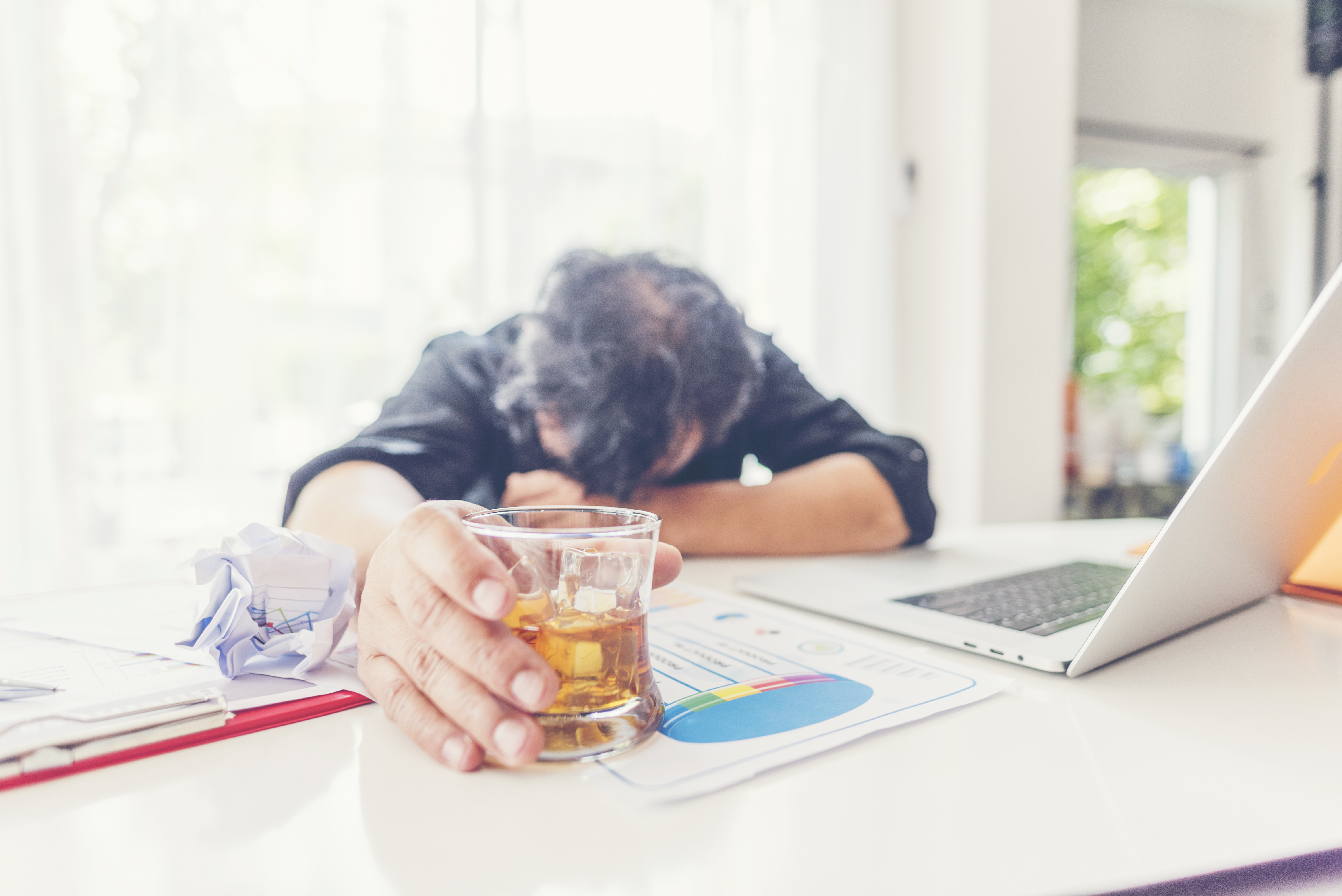
The detox process usually involves medications to alleviate withdrawal symptoms, such as benzodiazepines. These medications relax GABA receptors in the brain to help calm your mind and prevent seizures.
Alcohol withdrawal symptoms
If someone suffering from alcohol dependence disorder (AUD) is unable to drink, withdrawal symptoms occur. These symptoms are extremely distressing and dangerous and can lead to serious health complications. Anyone suffering from a severe addiction to alcohol must go through detox to cleanse their bodies of the chemical.
The first step is to detoxify in the process of healing from alcoholism. During this process, your medical professional will closely monitor your blood pressure, heart rate and other indicators. You'll also be given medication to help ease withdrawal symptoms and prevent any medical emergencies. Most of the time, this medication is a form of benzodiazepine such as chlordiazepoxide or diazepam.
After you've completed detox It is essential to continue your treatment. The aim of rehab is to discover the root causes of your addiction and to help you deal with withdrawal symptoms from alcohol. Inpatient programs offer an immersive experience where you can get support from other patients. Outpatient programs allow you to keep your balance between work and life and keep up with your obligations.
Alcohol withdrawal symptoms can manifest within 6-12 hours of your last drink. The symptoms will start mildly and will increase over the following 24 hours period. During this phase you will experience increased anxiety, shaking and nausea. Some sufferers may even have a fever that is high that could be life-threatening if not treated properly.
On day two, you should be feeling more relaxed. However, you might feel some of the more intense withdrawal symptoms, including hand tremors and confusion. These symptoms will likely fade by the time the week is over, but may reappear at times throughout your time of sobriety.
During this stage your doctor is likely to prescribe long-acting benzodiazepines in order to ease your withdrawal symptoms and make sure you stay as comfortable as possible. alcohol detox and rehab will help to relax your muscles, lessen the desire to drink, and decrease the symptoms of withdrawal. The medications are generally prescribed as Valium and Librium and can be taken up to three days in the event of need. You must be prepared with these medications at the time you stop drinking.
Medical Care
If a person suffering from alcohol use disorder (AUD) ceases drinking and starts to experience withdrawal symptoms, they will feel. They can be uncomfortable and could be dangerous if severe. It is essential that detox and rehab are done in a controlled setting.
To alleviate alcohol.detox timeline , medications are used. The most common medication is benzodiazepines. These are a brain-based medication that mimic how alcohol affects GABA receptors. This reduces the discomfort of withdrawal and reduces the risk of seizures. Antipsychotics also help manage psychotic symptoms, like hearing or seeing things that aren't present. These drugs comprise olanzapine (Risperdal) and Seroquel and Risperdal.
Medical detox is a first step in the recovery process from addiction. It is essential to do it in a monitored medical environment, as it could be life-threatening if you don't get medical attention. The process can last up to four days, and it can be a challenge. Hospitalization may be necessary for those who suffer from delirium-tremens or the worst form of withdrawal from alcohol.
Inpatient medical detoxification is the best choice for overcoming alcohol dependence. Residential treatment facilities are available 24/7 care and can address various addiction-related issues. Inpatient facilities also provide counseling and support groups to aid people in identifying the root causes of their addiction. This can be more effective than treating the symptoms of an addiction and may help to achieve a lasting recovery.
Medical detox in outpatient settings can be a less intensive alternative for those who live or work at home. This kind of detox requires regular sessions in a facility that last for just a few minutes per day.
Outpatient detox is less effective than inpatient detox. This is due to the fact that it is easier for outpatients to skip detox sessions or return to addiction after completing their detox program. However the research studies conducted don't prove that one detox program is superior to another in terms of long-term treatment results. Outpatient detox is a feasible option for those seeking to recover from alcohol dependence.
Counseling
Alcohol detox centers will also provide counseling to help you cope with the physical and mental symptoms of withdrawal. The kind of counseling you receive is based on your personal needs. For instance, a counselor may ask you questions about how alcohol has impacted your life and what causes you to drink. This information can be used to develop a treatment plan to help you remain sober after having finished detoxing from alcohol.
Many people struggling with addiction can benefit from a treatment program which include cognitive behavior therapy (CBT) which teaches you how to identify and change negative behaviors. In CBT you will be taught how to manage your cravings to drink by replacing them with healthy and more productive actions. CBT includes mindfulness, a technique that can help you manage stress and focus on the moment.
Other types of therapy that are included in a detox program for alcohol include group therapy and family therapy. These therapies can help build an effective network of support to help you overcome your addiction to alcohol. They can also help you learn how to manage withdrawal symptoms and any other issues that may arise on your detox journey.
It is important to know the process of detoxification and rehabilitation when you suffer from a long-term or severe addiction to alcohol. This will help you choose the best program for you. The ideal option for you could be a residential rehab program, which usually runs for 1-3 months, or outpatient treatment, which allows you to live at home during treatment.
Outpatient detoxification from alcohol is a safe and effective option for many individuals who are experiencing mild to moderate withdrawal symptoms. Inpatient detox is recommended for those at a high risk of developing life-threatening withdrawal symptoms from alcohol or have experienced serious medical problems as a result of long-term drinking.
If you're thinking about the option of an outpatient or inpatient alcohol detox, it's important to answer all questions asked on your application in a truthful manner. The more information you can provide, the more customized your treatment will be. This will ensure you get the best possible outcome and will prevent you from getting back to the same place.
Support
Alcohol addiction is a complicated issue that requires expert assistance. A detox center is a first step to receive the treatment you require to overcome your addiction to alcohol, and the physical and psychological complications that accompany it. You'll have access to medical services and counseling, as well as life skills training and alumni and family support group.
The staff at an alcohol detox facility can also provide you with information about other resources that are available in your area that can assist in your recovery and treatment for addiction. This is especially helpful when you suffer from co-occurring disorders like mental health issues or history depression. To best meet your specific requirements, the medical staff will want to review your alcohol and drug usage history carefully. This is a crucial part of the process and you must answer the question honestly. The more accurate your information will be, the more efficient treatment you will receive.
After you've finished detox, the next step in your recovery is a residential program. This may be on-site in a rehab center or in an alternative environment free of substance such as an sober living facility. This type of program will have you living in a sober and clean environment for 30 to 90 or more days. You will be given counseling and educated on the fundamentals of recovery. alcohol.detox timeline includes how to handle triggers that could cause an relapse.
Some facilities provide group therapy sessions where you can discuss your addiction with others who are suffering from similar issues. Some facilities offer individual counseling with a therapist or psychiatrist. Other providers offer family counseling, where you and your loved one can talk about your addiction together. In addition, there are online therapy services that can connect you to an therapist from anywhere and at a time that works best for your schedule. You will continue to receive assistance with your recovery even after you leave the detox facility.